

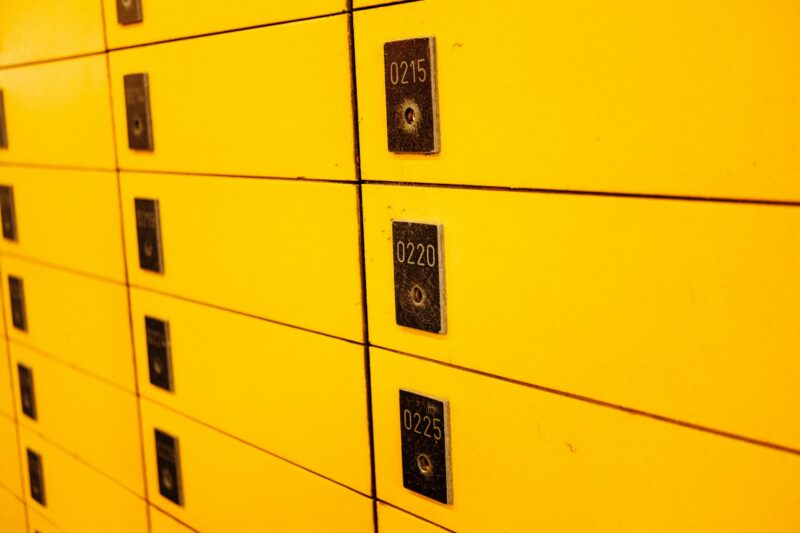
Walk into most offices today, and you’ll still find the same storage setup that’s been around for decades: rows of metal lockers, a ring of physical keys, and a front desk worker managing it all. It works—until it doesn’t. A lost key, an unauthorized access incident, or a compliance audit can expose just how fragile that system really is.
The shift to hybrid work has made things more complex. Employees don’t have dedicated desks anymore. Contractors cycle in and out. Sensitive devices and documents need secure, trackable storage.
The old approach simply can’t keep up. That’s why forward-thinking organizations are replacing outdated setups with smart locker technology that connects directly to their existing systems—and delivers real-time control over who accesses what, and when.
This post breaks down exactly why that upgrade matters, what smart lockers can do that traditional ones can’t, and what to look for when choosing the right solution for your office.
Why Traditional Office Storage Creates Security Gaps
Physical key systems create accountability problems. When a key goes missing, there’s no log of where it’s been or who had it last. Access can’t be revoked instantly. And in larger offices, managing dozens—or hundreds—of keys quickly becomes a full-time administrative burden.
Beyond the logistics, there are real security risks:
- No audit trail. Traditional lockers don’t record who opened them or when.
- No remote management. Revoking access requires physically retrieving a key.
- No integration. Standard lockers operate in isolation from HR, IT, and access control systems.
- High administrative overhead. Reception staff spend significant time on locker-related requests.
For organizations handling sensitive equipment, confidential documents, or regulated data, these gaps aren’t just inconvenient—they’re liabilities.
The Compliance Problem
Industries subject to data protection regulations need to demonstrate who accessed what, and when. Without digital records, proving compliance becomes guesswork. A manual system offers no exportable logs, no timestamps, and no audit-ready reports.
What Smart Locker Technology Actually Does
Smart locker technology replaces mechanical locks with digital access controls, cloud software, and system integrations. The result is a storage infrastructure that behaves more like enterprise IT than traditional office furniture.
Key capabilities include:
- Multi-method authentication: Employees can access lockers using RFID badges, mobile apps, PIN codes, QR codes, biometrics, or even Apple Wallet—no new credentials required.
- Real-time monitoring: Admins can view occupancy rates, access events, and usage patterns through a live dashboard.
- Automated provisioning: When a new employee joins, locker access is granted automatically through HR system integration. When they leave, access is revoked instantly.
- Digital audit trails: Every locker event is logged and exportable, supporting compliance reviews and internal investigations.
Assigned, Flex, and Anonymous Access Modes
Not every employee has the same storage needs. Smart systems support multiple access configurations within a single deployment:
- Assigned access gives specific employees dedicated lockers for long-term personal use.
- Flex access allows any authorized employee to claim an available locker for the day—ideal for hybrid teams.
- Anonymous access enables temporary use without linked credentials, suited for visitors or contractors.
This flexibility means a single locker bank can serve full-time staff, part-time workers, and external visitors simultaneously.
How Secure Office Lockers Support Hybrid Work Models
Hybrid workplaces create a specific storage challenge: fewer people in the office each day, but the same need for secure, on-demand storage. Assigning permanent lockers to employees who are only in the office two days a week wastes space and budget.
Dynamic allocation solves this. Employees reserve a locker only when they’re on-site. The rest of the time, that unit stays available for others. For organizations managing secure office lockers across multiple floors or buildings, this can significantly reduce the total number of units needed—without reducing access for anyone.
Asset Management Beyond Personal Storage
Smart lockers aren’t limited to personal belongings. Many organizations use them to manage shared company assets: laptops, cameras, ID scanners, and peripherals. Digital logs track every device check-out and return, reducing loss and simplifying inventory management.
The Case for Metal Lockers for Office Environments
Durability matters in high-traffic workplaces. Metal lockers for office environments are built to withstand daily use across years of operation, resisting dents, scratches, and wear in a way that cheaper alternatives can’t match.
When combined with smart lock systems, metal construction provides a strong physical barrier alongside robust digital access control—addressing both the mechanical and technological dimensions of security.
Modern finishes mean these units don’t have to look industrial. Premium options include:
- HPL (High-Pressure Laminate): Scratch and moisture resistant, available in a range of colors and textures.
- Wood-finish panels: Warm, sophisticated aesthetics that suit upscale office interiors.
- Modular configurations: Units that can be arranged, stacked, or expanded to fit any floorplan.
Customization Without Compromise
Security and aesthetics don’t have to conflict. Organizations can configure locker banks to match brand guidelines, building materials, and interior design standards—while maintaining enterprise-grade access controls behind the scenes.
Integrating Smart Lockers with Existing Workplace Systems
One of the most practical advantages of modern smart locker platforms is their ability to connect with systems already in use. Rather than managing lockers as a standalone tool, IT and facilities teams can integrate them directly with:
- HR platforms: Automate access provisioning and deprovisioning based on employment status.
- Building access control: Use existing employee badges for locker authentication—no additional cards or fobs.
- Active Directory and SSO: Synchronize user credentials across the entire workplace ecosystem.
- Compliance and reporting tools: Export locker event data to meet audit requirements.
What to Look for in an Integration-Ready Platform
Not all smart locker systems offer the same depth of integration. When evaluating providers, prioritize:
- Open APIs and SDKs for custom connections
- ISO 27001 certification for information security management
- GDPR compliance for employee data handling
- Role-based access controls and end-to-end encryption
- 99.9%+ platform uptime guarantees
Measuring the ROI of Smarter Office Storage Solutions
Upgrading to smart office storage solutions involves an upfront investment, but the return is measurable across several dimensions.
Time saved on administration:
- Eliminating manual key management reduces reception workload.
- Automated provisioning removes IT and HR tasks associated with locker setup.
- Self-serve access means employees resolve their own locker needs without assistance.
Space optimization:
- Dynamic allocation reduces the number of lockers needed for hybrid teams.
- Usage analytics identify underutilized units that can be reassigned or removed.
- Compact modular layouts convert underused corridors or rooms into functional storage areas.
Risk reduction:
- Instant access revocation eliminates the risk of ex-employees retaining physical access.
- Audit trails reduce liability during compliance reviews.
- Real-time monitoring flags unusual access patterns before they escalate.
Real-World Deployment at Scale
Large-scale deployments demonstrate the practical value. The Flemish Government, for example, rolled out smart lockers across 22 offices, providing access permissions for over 10,000 employees and installing more than 5,000 smart locker units. Projects like this show that cloud-managed locker systems can operate reliably and consistently across geographically distributed organizations.
What a Future-Ready Office Storage Strategy Looks Like
The office is no longer a static environment. Headcount fluctuates, work patterns shift, and the mix of permanent staff, contractors, and visitors changes constantly. Storage infrastructure needs to flex with those changes—not resist them.
A future-ready approach to office storage combines:
- Physical durability through high-quality materials built for long-term use
- Digital intelligence through real-time monitoring, analytics, and automated management
- System connectivity through integrations that eliminate manual administration
- Scalability through modular designs that grow with the organization
The Smarter Way to Secure Your Workplace
Security gaps in office storage rarely make headlines until something goes wrong. A missing device, an unauthorized access incident, or a failed compliance audit—these are the moments that expose how much risk sits inside a row of traditional lockers. Upgrading to smart locker technology isn’t just about adding convenience.
It’s about building storage infrastructure that matches the security, compliance, and operational standards of a modern workplace. The tools exist. The integrations are ready. The question is whether your current setup is still fit for purpose. If it’s time to rethink your approach to office storage, explore how Keynius smart lockers can work within your existing systems.